











Creative Agency
September 2026
Creative Direction in the Age of AI
WRITTEN BY
Viraj Kale
Senior Creative Director - Design

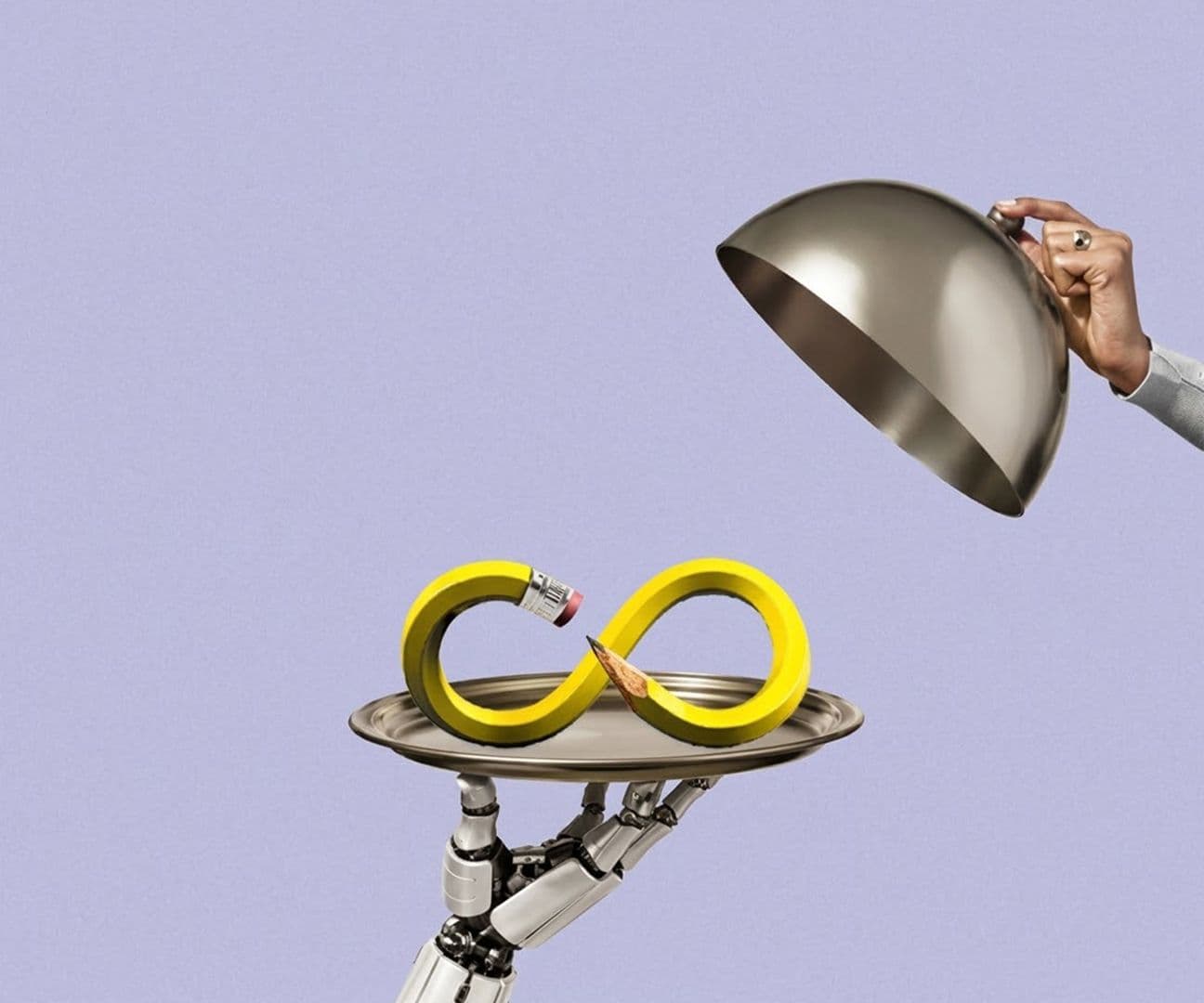
Great design has never been about producing more; it's about knowing what to keep, what to remove, and what truly belongs. That instinct is also known as ‘taste’, is shaped by years of observation, conversations, curiosity, and lived experience. It's what helps designers in a creative agency understand people, culture, context, and brands in ways AI simply can't.
We experienced this firsthand at Ting across diverse projects, be it designing packaging for a ready-to-cook food brand and or an organic aromatherapy brand. We begin with designing the visual language, craft the creative direction, and only then use AI to bring that vision to life. While AI helps a packaging design agency create consistent food imagery across 100s of SKUs and build immersive fragrance worlds with remarkable speed, at the heart of the work, every decision, from composition to mood, is led by human intent.
As using AI for branding becomes more commonplace, the real differentiator won't be who can generate the most ideas, but who can recognise the right one. Because while anyone can create, it still takes human taste to build a brand people remember.
While the evolution of AI makes creation easier and efficient, the judgement or art remains inherently human
From generating brand identity design, packaging, illustrations and concepts to almost anything one can imagine, its adoption has increased speed and efficiency in a branding agency. But what about taste?
Who defines ‘Taste’?
Taste is not about following trends or having a signature design style. It is about right decision making. Knowing which idea best reflects a brand's personality leads to understanding which packaging will connect with people, and which design actually solves the problem instead of just looking beautiful. AI can generate hundreds of options in seconds, but it doesn't understand why one idea feels more authentic than another. It doesn't understand a founder's vision, the long term direction of a brand, or the emotions a product is trying to create. It recognises patterns because it has seen millions of examples, but building a brand has never been about patterns alone. It has always been about making the right choices.
Good design is often about removing more than adding.
That is where designers make a difference, with the art of simplifying.
Knowing what deserves attention and what should quietly disappear, guides every decision in design. Whether it is colour, typography, imagery, layout, or even the amount of white space, it all comes down to supporting one big story. Those decisions at the best branding agencies come from experience, observation, curiosity, and judgement, not from prompts.
There’s a lot that goes behind acquiring this Taste. It is shaped over years of personal observations, travel, conversations, reading, watching, and everyday experiences. When you’re curious about the world around you, you understand how to connect with it.
One thing AI still struggles with is context. Design never exists in isolation. Every decision is influenced by culture, audience behaviour, market positioning, pricing, business goals, and countless other factors. AI can generate something that looks impressive, but only a human can decide whether it is actually right for the brand.
Case in point: Two distinct packaging projects
Human discernment is a differentiator in the age of AI. We experienced this firsthand while working on two packaging projects at Ting. One project was for a ready-to-cook multi cuisine food brand, and the other was for an organic aromatherapy brand offering products like dhoop sticks, dhoop cones, home fragrances, and more. For the ready-to-cook brand, photography became our biggest challenge. The brand had over a hundred SKUs, and every pack needed to show the exact dish inside. Planning and executing a photoshoot for that many products would have been expensive, time consuming, and extremely difficult. Many of the dishes were from cuisines we weren't even familiar with, so authenticity became critical.
This is where AI came in; amplifying our execution and guided by our direction. However, we didn't start with AI. We started with the design. We first explored different visual directions, experimented through multiple rounds of trial and error, and developed an illustration style that felt right for the brand. After clearly defining the visual language, we used AI to generate food visuals. The compositions, camera angles, props, styling, and overall look were all driven by the designers. Where AI helped, was in executing that vision consistently across more than a hundred products. While it helped with volume, it remained guided by our minute creative direction toward building a cohesive packaging system, which goes beyond generic AI output.
The aromatherapy project followed a similar process but solved a different problem. Our idea was to immerse consumers in the world of aromatherapy. Every fragrance was meant to transport someone into a different mood or environment, and that became the foundation of the packaging concept. Creating those surreal visuals through photography wasn't really practical, so we developed a distinct illustration style and then used AI to expand that visual world across different product ranges.
It is worth remembering that designers were creating surreal imagery long before AI existed. We relied on illustration, compositing, Photoshop, and countless other techniques. It simply required far more time and effort. AI has changed the speed of execution, not the importance of the original idea. In both these projects, the process never started with a prompt. The brand strategy came first, the idea came next, and AI came after that.
The last word belongs to people, not prompts
Looking ahead, I don't think the future of creativity will belong to people who can generate the most ideas. The real value will lie in people who know how to evaluate those ideas, recognise what feels right, refine what doesn't, simplify what is unnecessary, in a way that fits the brand. AI will continue changing the way we work. It has already transformed research, ideation, visualisation, and execution, and it will only become more capable with time. But tools don’t create great brands, people do. In the end, it takes a human with great taste to understand and influence another. Now that’s our forte. Anyone can create, yes. Our advantage is knowing what’s worth creating. That’s what separates the best branding agencies from the rest.
about the author
Viraj Kale
Senior Creative Director - Design