











Presence Philosophy
August 2026
The World Is Made Up of Stories, Not Atoms
WRITTEN BY

Vikas Bhatt
AVP - Strategy & Planning

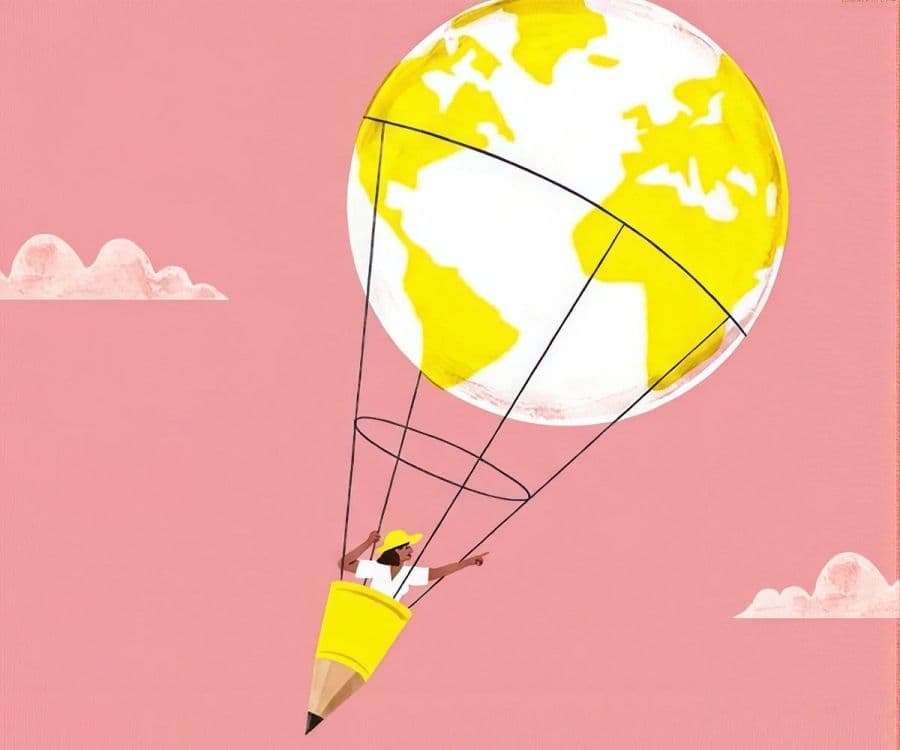
People don't buy products, they buy stories, and that hasn't changed in a thousand years, from Babylon's mead shop signs to today's algorithm-driven feeds.
This piece makes the case that communication strategy is really the art of sequencing a brand's story the way a human brain actually thinks, not linearly, but in loops, detours, and returns. It argues that no story survives if it tries to be everything at once.
The best stories, like the best brands, are built around one thing, said in one sentence, and repeated with discipline until the story and the brand become impossible to tell apart. This single idea is what the piece calls a brand's "presence philosophy".
The article closes on a bigger claim: the world itself runs on stories, not atoms. Money, nations, even love, all of it is a story people agreed to believe in. Strip away a brand's logo and its media spend, and what's left is one question. What's the story, and does anyone believe it? That question, the piece argues, is still the most basic and most important thing a brand can answer.
The World Is Made Up of Stories, Not Atoms
People buy stories, not products. Period.
Nothing much has really changed in a thousand years. From Babylon, where the first adverts announced a runaway convict or a mead shop, people advertised stories. Not features. Not specifications. A
runaway convict poster didn't list his height and weight for the record, it told you why you should care enough to look. That's the whole trick, and it hasn't aged a day.
And even today, in this jargon-heavy world of performance marketing, funnel optimisation, SEO, AEO, GEO, people still buy a good story. Nothing more. You can wrap it in as much terminology as you like, run it through every funnel you can name, but at the very end of that funnel is still just a person, deciding whether they care.
People buy stories, not products. Period.
Strategy is the practice of bringing out these stories in a way people care about. Not louder. Not shinier. Just in a way that makes someone stop for half a second and think, this is about me. When people say creative strategy or communication strategy, what they truly mean is the practice of linear and non-linear thinking, used to put forth the stories of a brand, a service or a product in a way people actually hear. Because saying something and being heard are two very different jobs, and most brands only ever manage the first one.
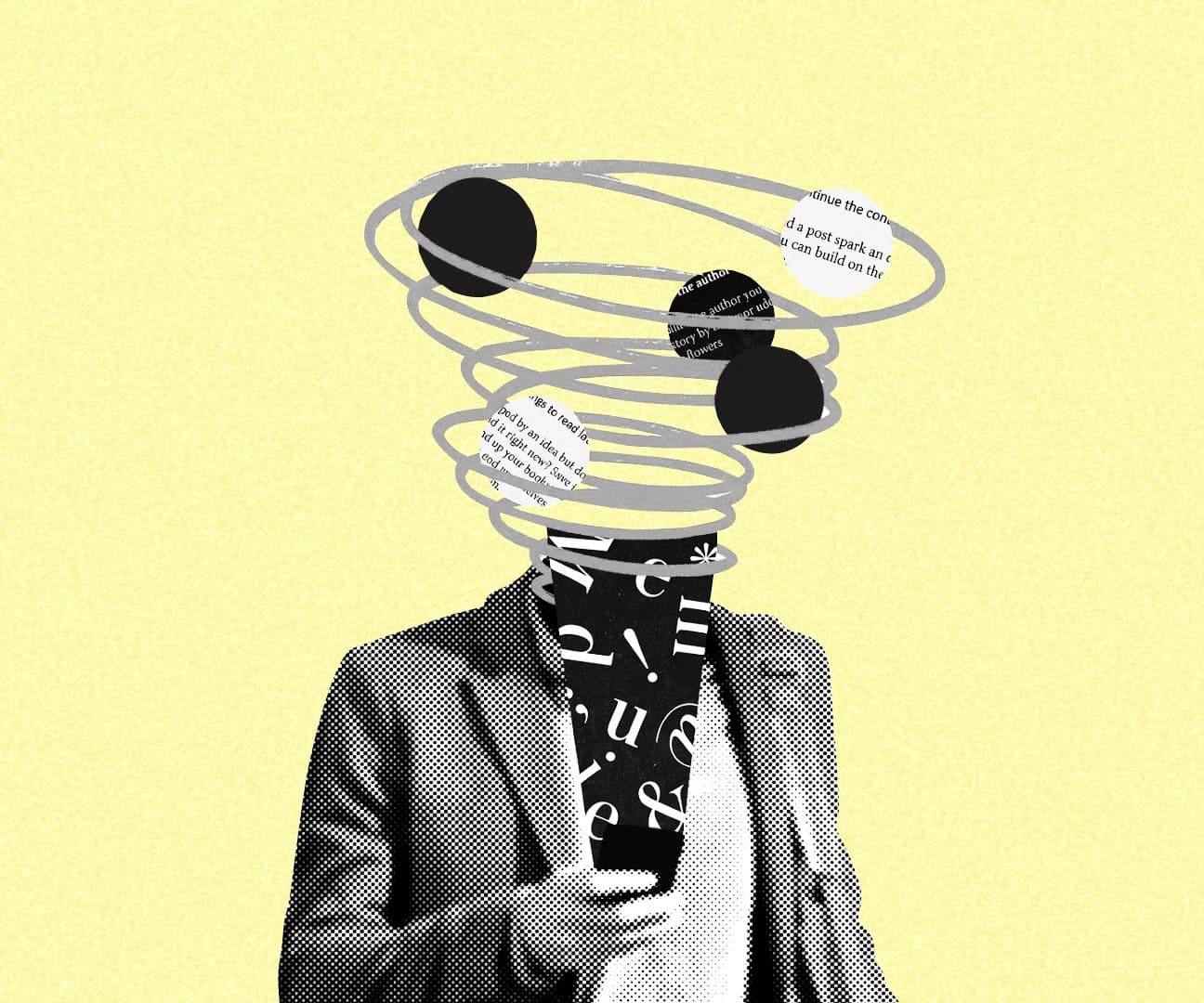
This is where communication strategy comes in. What it really means is laying out the roadmap for how our brains think, before a rupee is spent on anything. It has less to do with who you are as a brand, or what you sell, and more to do with how a person thinks. And humans don't think straight. Do we? We go from step one to step two, back to one, then to four, and maybe circle back to three after five.
The job of a communication strategist is to present the story the way a brain actually thinks, so the thinking gets easier, and the spending gets faster. The story is still at the center.
The story is still at the center.
So what does that sequencing actually look like?
Think of a person scrolling at 11pm. They're not thinking about your brand. They're thinking about the fight they had at dinner, or whether the same crib will look good in a bigger room, or if they should have said yes to that job. A communication strategist's first job is to accept this. Nobody is waiting for your ad. You are gatecrashing a thought that was already in progress.
So the sequence doesn't start with the product. It starts with the feeling that's already sitting in the room. This is why strategy is closer to editing a film than writing an ad. You are deciding what the audience sees first, what they see second, and what you deliberately hold back till the end.
That's the art. Not inventing a new story. Finding the story that was already playing in someone's head, and simply arriving at the right time to finish the sentence for them.
Nobody is waiting for your ad. You are gatecrashing a thought that was already in progress.
But there's a catch, and it's the one most brands trip on. A story only works if it's believable. And a story is only believable if it doesn't try to be everything at once.
Think of any story that's stayed with you. It's never a story about ten things. It's one thing. A love story is about love, even when it's dressed up as a heist, a war, or a road trip. The moment a story tries to be about love and ambition and betrayal and redemption all given equal weight, it stops being a story and starts being a Wikipedia summary. Nobody roots for a Wikipedia summary.
Brands are no different. A brand's story has to be centred around one thing. Not one campaign, not one tagline, one thing. The one sentence you'd use to describe what this brand stands for if you had to say it to a stranger in a lift, before the doors opened again.
Nobody roots for a Wikipedia summary.
We call this a presence philosophy. It's not a positioning line, and it's not a mission statement written by committee. It's the single idea the entire brand can be summarised into, the one thing every story, every film, every post eventually has to walk back to. Nike doesn't tell ten stories. It tells one story, about doing, told a thousand different ways. That's why it still lands, decades in.
The brands that win aren't the ones with the most stories. They're the ones who found their one thing early, and had the discipline to keep telling it, again and again, until the story and the brand became impossible to separate.
Find your one thing early. Then have the discipline to keep telling it.
This is why communication strategy is still the most basic thing a brand can have. Because underneath every trend, every scroll, every three-second attention span, there's still just a person looking for a reason to care. That hasn't changed since Babylon and it won't change tomorrow.
The world isn't made of atoms. It's made of stories. Money is a story everyone agreed to believe in. A country is a story drawn on a map. Even the person you fell in love with, you didn't fall for their atoms, you fell for the story you told yourself about them.
A brand works the same way. Strip the logo, strip the packaging, strip the media spend, and what's left is one question. What's the story, and does anyone believe it?
That's all a brand really is. Not a logo. Not a product. A story wearing a name. Get the story right, and the brand takes care of itself. Get it wrong, and no amount of spend will save it.
about the author
Vikas Bhatt
AVP - Strategy & Planning