











Creative Direction
October 2026
Why Your Best Creative Work Begins When You Log Off
WRITTEN BY
Riddhi Seta
Associate Creative Director, Ting

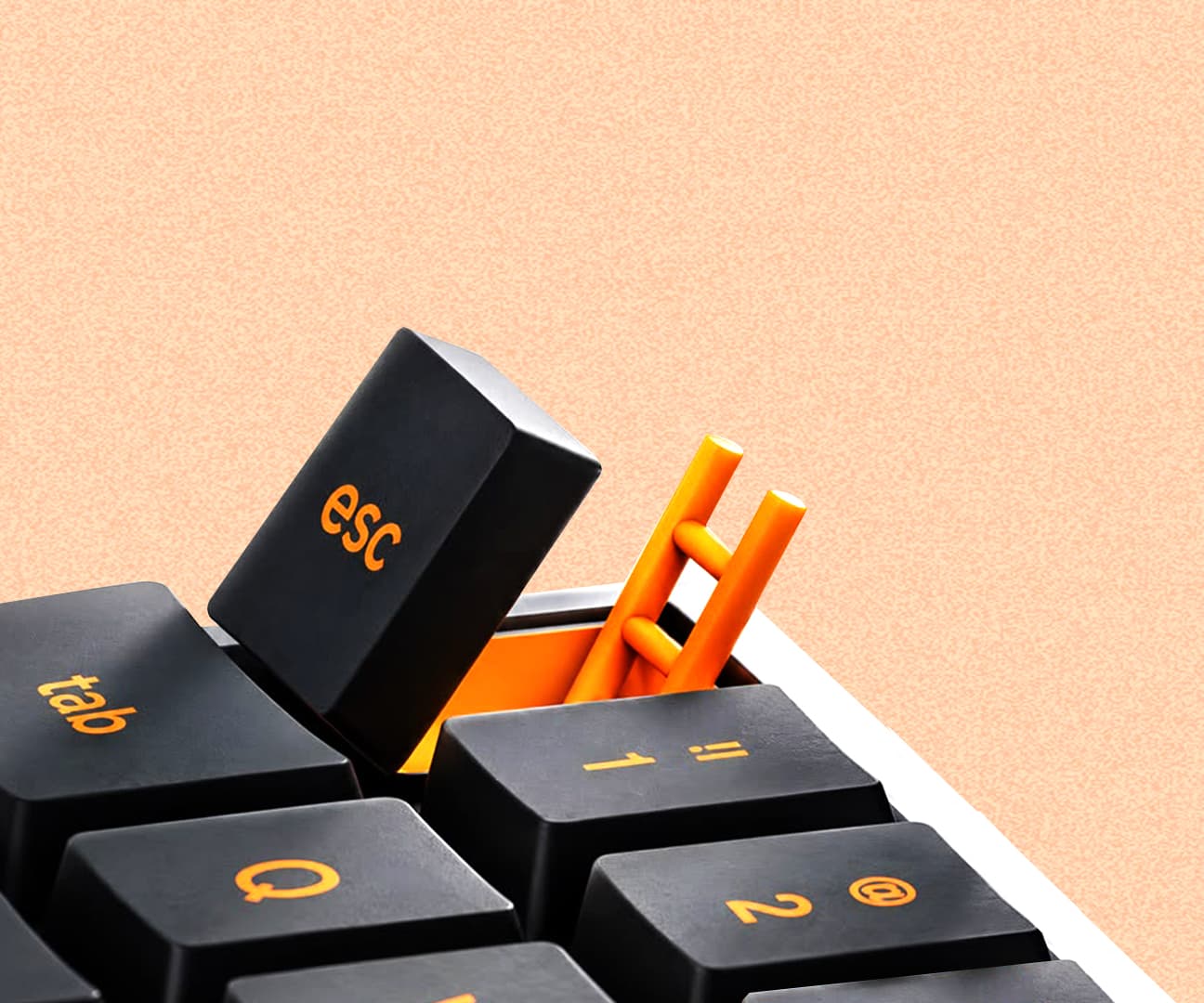
Creativity doesn't switch on when you open your laptop. It is shaped by everything you observe, experience and absorb long before you sit down at the artboard. Sometimes the harder you chase an idea, the further away it feels. Step away, and your mind keeps working quietly in the background. The things you notice, the places you visit and the visual worlds you encounter become raw material for your work. Maybe being creative isn't about having one signature style or constantly producing. Maybe it's about staying curious, keeping your eyes open and knowing when to step away so the idea can find its way back to you.
Why Your Best Work Begins When You Log Off
A creative career does not begin when you open your laptop.
Yet, we’ve all sat there staring furiously at a blank artboard, waiting for the big idea to show up simply because we've decided it has to. We push harder. Think harder. Search harder. Move the logo three pixels left, then four pixels right. Scroll through endless references, hoping something will suddenly click. And often, nothing does. So you shut the laptop. Make dinner. Take a shower. Go for a walk. Talk to someone. Sleep. And then, somewhere in the middle of a completely unrelated moment, it happens. A thought connects. A line appears. An image makes sense. The solution you couldn't force for three hours suddenly feels obvious. Because sometimes, the best thing you can do for an idea is stop chasing it.
The brain doesn't stop working just because you stopped staring at the screen. It keeps sorting, connecting and rearranging everything you've seen, heard and experienced. Somewhere in the background, the pieces begin to find each other.
Creativity isn't always born in the moment you sit down to create. Sometimes, you do the work first, and then you have to walk away and let your mind finish it.
The idea isn't always waiting on the other side of more thinking. Sometimes, it's waiting for you to stop thinking about it.
The World Is Always Giving You Ideas
The catch? When you live with a creative mind, you never really log off. You don't just look at the world. You notice it. A highway hoarding catches your eye at a red light. Not because you're looking for inspiration, but because something about the type, the colour or the composition makes you pause.
You notice the way sunlight falls across a building. The lettering on an old shop sign. The strange colour combination on someone's clothes. The way a café menu is laid out. A beautifully wrapped packet sitting on a counter. A shadow on a wall that lasts for barely a few seconds.
You notice people, spaces, objects, conversations, films, books, buildings, streets. And most of the time, you don't even realise you're collecting. That's probably the occupational hazard of being creative: your eyes are always working. Inspiration isn't something you switch on when a brief arrives. It is everything you've been absorbing long before the brief existed. A conversation you barely remember. A photograph you happened to see. A strange detail from a place you walked into once. A colour combination you noticed six months ago. A line from a film. The texture of an old wall.
You never quite know what will stay with you, or when something you've seen will find its way back into your work. You never quite stop observing, because you never quite stop collecting.
The Chameleon Mind: Design Is Never Universal
And perhaps that's why creative taste is never really fixed either. There is this idea in design that a mature creative should eventually develop a signature style, something recognizable enough that people can look at a piece and know exactly who made it. But creativity doesn't always work that way. Your brain doesn't have to pick one lane. Some days, your instinct craves restraint. Quiet layouts, generous white space, sharp typography, a disciplined grid and one muted tone doing all the talking. Other days, you want the complete opposite. Texture. Noise. Clashing colours. Unexpected type. Something slightly strange, slightly uncomfortable, deliberately breaking the rules. And somehow, both can feel completely right.
Because design isn't a formula where the same visual language works every time. The idea decides what it needs to look like.
A luxury brand might need restraint. A youth campaign might need chaos. A cultural project might need something raw. Sometimes the most powerful thing you can do is say less. Sometimes the only way to make someone stop is to say too much. What feels timeless and elegant to one person can feel cold and sterile to another. What looks chaotic to one eye can feel alive to another. That's the thing about taste: it isn't fixed. It keeps expanding with everything you see, experience and allow yourself to be influenced by. So perhaps a creative doesn't need one signature style. Maybe the signature is knowing when to change it.
Step Away To Let It Cook
And eventually, all of that has to come back to the artboard. The work you put on it is rarely created entirely on it. The artboard is simply where everything you've been seeing, absorbing and processing finally comes together. So the next time you're stuck on a concept, don't torture the pixels for another four hours hoping the answer will suddenly appear. Close the laptop. Step outside. Take a different route. Notice the badly typeset awning. Walk into a gallery you've never been to. Have an unexpected conversation. Sit somewhere you've never sat before. Do something that gets you out of your own head and back into the world. Because stepping away isn't stepping away from work. It's giving the work somewhere to go.
Let your mind wander. Let it make connections without your permission. And when you come back to the artboard, you might find that the idea was already there. It just needed you to stop looking for it.
about the author
Riddhi Seta
Associate Creative Director, Ting